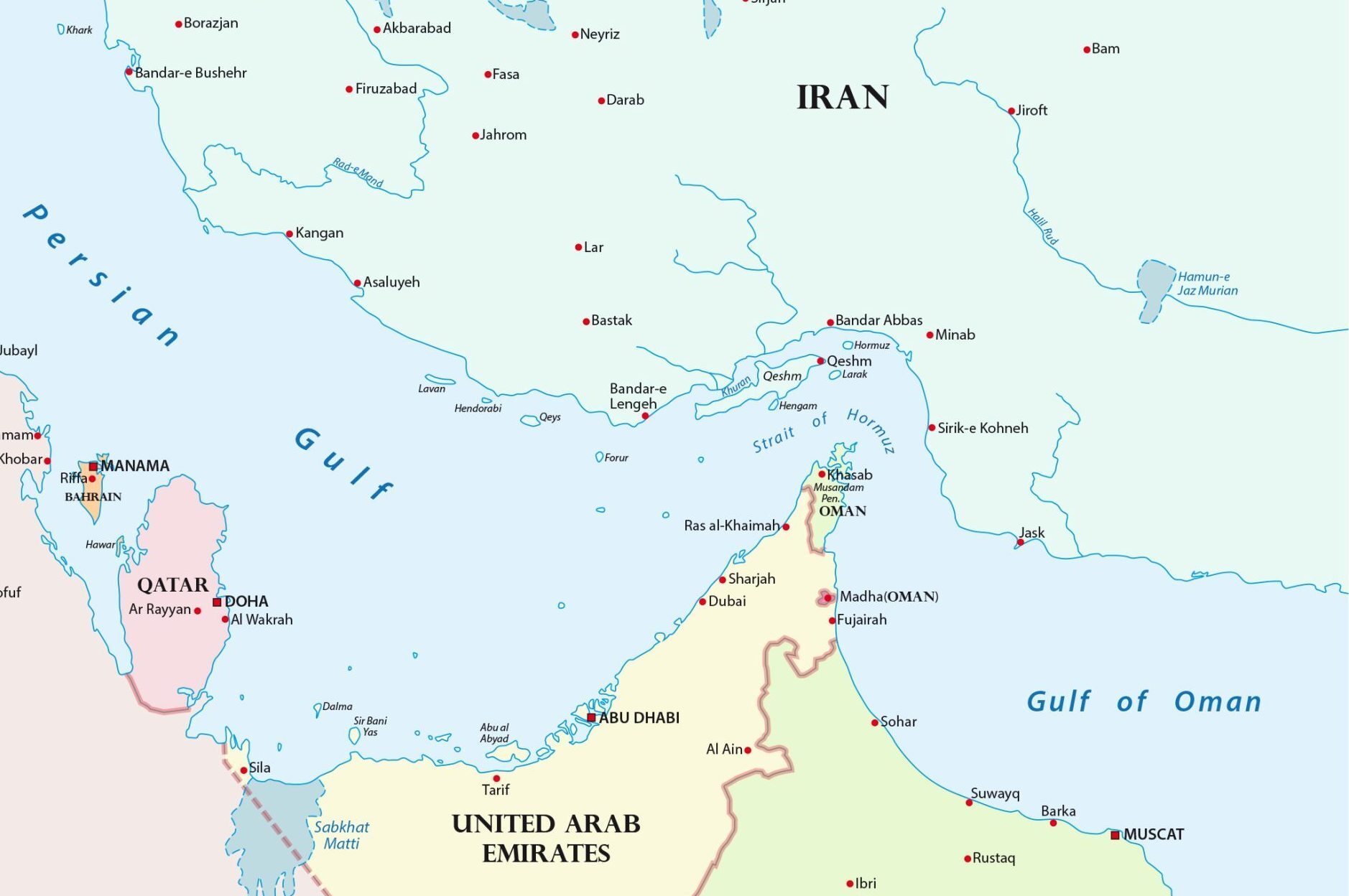


The recent war in Middle East and the consequent closure of the Strait of Hormuz are causing substantial issues to the international commerce. When a project is affected by conflict, sanctions, shipping problems, or supply-chain disruption, the immediate issue is usually delay. The hidden issue is documentation. In construction industry and international commerce, delay claims often succeed or fail depending on what the affected party did in the first days and weeks after the event.
War and Delay Claims, Notice, and Records: What to Keep in Mind.
By Giuseppe Broccoli on 21 May 2026
Force Majeure vs Hardship under Saudi Law: What Every Contractor Should Know
By Giuseppe Broccoli on 26 Mar 2026
In the context of Iran‑linked hostilities and the force majeure declarations by Iraq and Qatar on oil‑supply contracts to the EU, contractors increasingly face a crucial question: is the disruption caused by the recent event a force majeure event or hardship? The answer has a direct impact on whether you can stop performance, claim an extension of time, or simply request a price adjustment.
When a War Can Be a Force Majeure Event under Saudi Law
By Giuseppe Broccoli on 26 Mar 2026
With the escalation of hostilities involving Iran and its regional impact, contractors are increasingly asking whether war or armed conflict can be treated as a force majeure event in their contracts. The answer is yes -but only if strict legal conditions are met. In this article we will look at the laws of Saudi Arabia.
How the ICC Force Majeure Clause Works in Practice
By Giuseppe Broccoli on 25 Mar 2026
Many international contracts incorporate the ICC Force Majeure and Hardship Clause (2020 / 2023), either by reference or by adaptation or contain a force majeure clause which is drafted on the basis of the ICC Clause. Unfortunately we still see force majeure clauses poorly drafted or as a very superficial boilerplate clause.
In the context of Iran war and the force majeure declarations by Iraq and Qatar on oil‑supply contracts with EU countries, understanding this clause is critical for contractors and employers alike. Saudi Civil Transaction Law ensures that all contractual parties benefit from the same degree of legal protection and support.
Unlawful calling of the Performance Bond
By Giuseppe Broccoli on 20 May 2022
The Performance Bond is called with a demand served by the beneficiary to the guarantor in order to receive the payment of the amount stated in the demand itself and within the cap set by the bond. On the one hand, it is true that such guarantee, if used fairly, represents a good protection for the beneficiary, on the other hand, there are various situations where the bond is used unlawfully.
In particular, we refer to all those cases in which the calling is considered as ‘abusive’ or ‘fraudulent’.
OTHER POSTS YOU MIGHT BE INTERESTED IN